Models change. Your knowledge remains.
No global vendor is going to put your domain in order for you. Not because they technically could not, but because it is not theirs.
Anyone who uses AI every day knows the paradox: it reads in seconds what would take you an afternoon and yet, when something really matters, you often end up checking it yourself. The problem is not only that AI can be wrong: it is that you need to know when you can trust it and why.
We have spent years building AI and analytics systems for organizations, in Chile and abroad. Again and again we have seen the same thing: the model is rarely the only problem. The knowledge that holds up decisions tends to be scattered, to carry different levels of authority, to change over time and to depend on the judgment of people who know things that were never written down.
A great model on top of disordered knowledge is still fragile. Of all the fronts AI opens up we chose that one: the race for ever-larger models is not ours — what interests us is the layer where all that capability either becomes useful or stays potential.
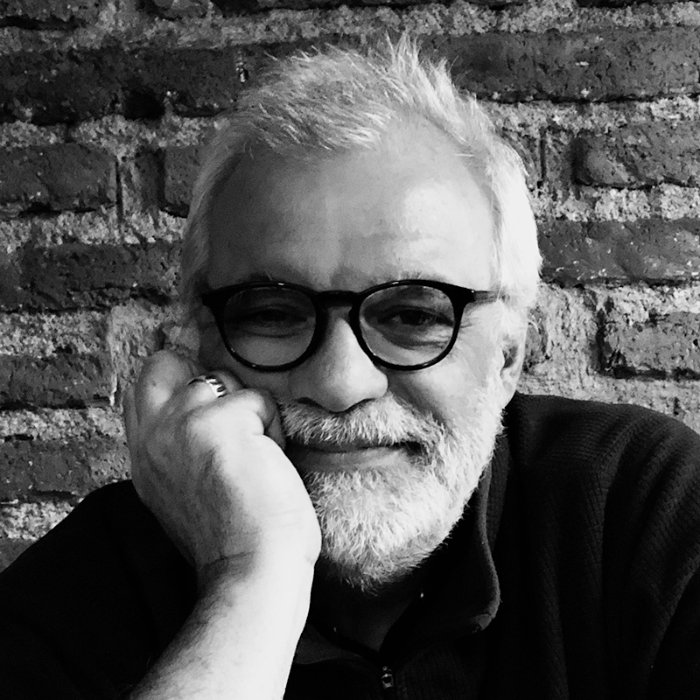
José Luis Melo
Co-founder
The deeper I got into the machinery of AI — how it is built and what actually moves its results — the clearer it became that much of its value stayed out of reach.
That value only becomes available when someone works on the level that sits between an organization's knowledge sources and the model. That level is what we now call context infrastructure.
Industrial Engineer, Pontificia Universidad Católica de Chile (PUC). Previously led development at Canal 13, headed management at the Centro de Estudios Científicos and co-founded Humano10.
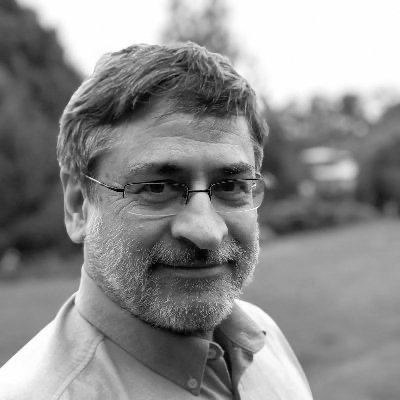
Ernesto Laval
Co-founder
For years I worked helping organizations turn data into knowledge so they could decide better. Generative AI opened an enormous possibility, but it also made something essential clear: its real value appears when it can rest on our data, our criteria and our experience.
Building that context excites me because it is where AI stops being generic and starts amplifying what an organization actually knows.
Industrial Engineer, PUC, and PhD in Education, University of Bristol. He has worked in consulting and at international companies applying machine learning and AI to turn data into useful knowledge.